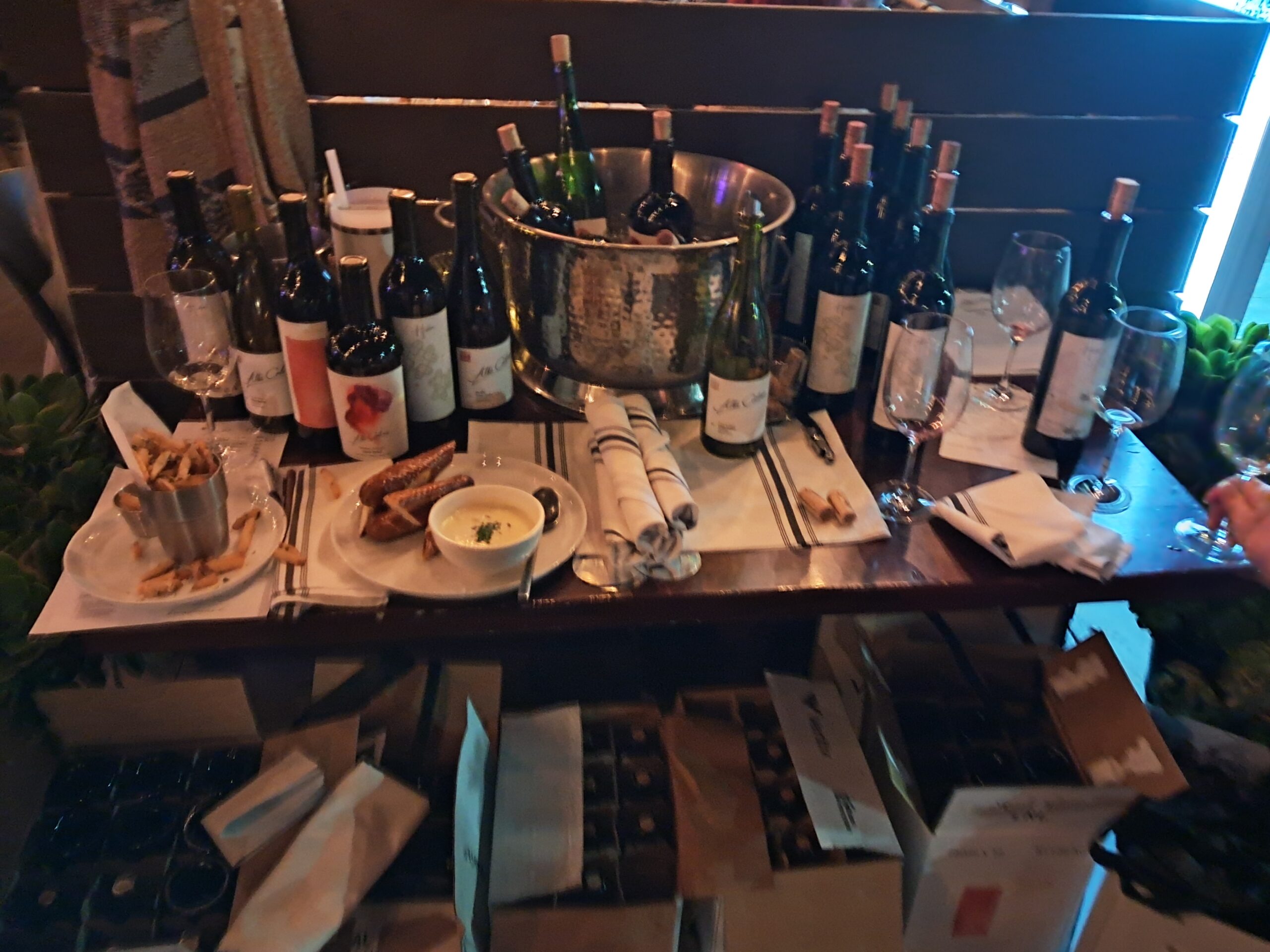
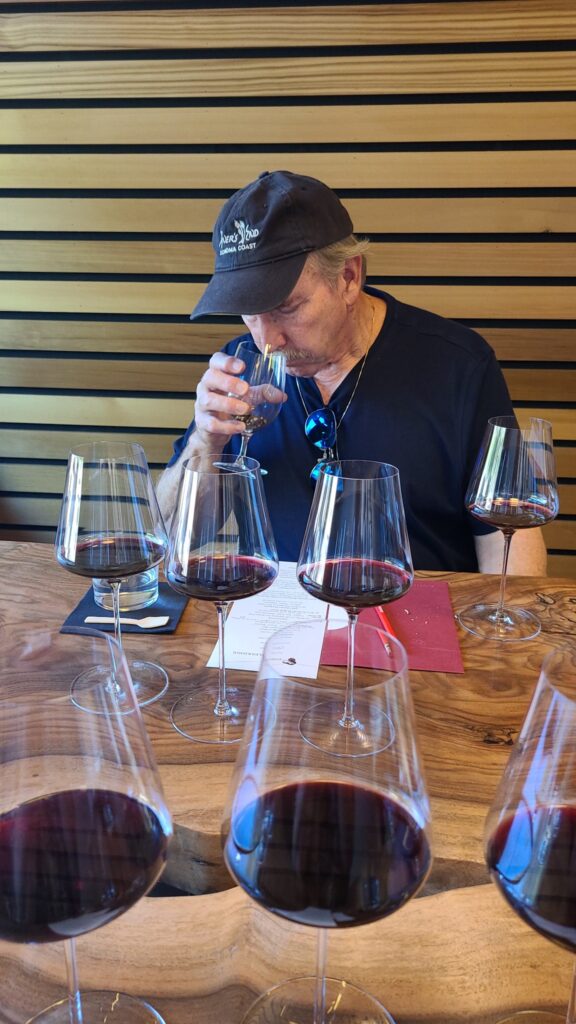
It has been quite a journey. I started writing wine reviews about 15 years ago. Back then I didn’t know much about the technical aspects of wine and winemaking, so I would write down my impressions of the wine. From the start, I always tried to give the reader the experience of tasting the wine, which oddly enough, lined up with the WSET wine assessment criteria. I would describe the color and appearance, then the aromas (nose), then the flavors in the drink (palate), and things I noticed on the finish. Then a few words about the wine itself and some details like percent alcohol, etc. I’ve always used this approach, as I’ve found it helps people to “taste” the wine, even though they are just reading a review. Finally I would finish with the rating. Vivino uses a 0 to 5 point rating system. Below 1 would mean its horrible, and approaching 5 would mean it is the best wine I’ve ever tasted.
Keep the rating real. It is easy to get carried away and rate something higher than it should be, and it is also easy to rate something much lower than it should be, because it has a low price point, or not a style one cares for. Generally, the rating system I use is: 0-1.5 Faulty (corked, oxidized). 1.5 to 2.5 Poor, 2.5 to 3.5 Acceptable, 3.5 to 4.1 Good, 4.2 to 4.7 Very Good, 4.7 to 5 Outstanding. It is rare that I will rate a wine below 2 or above 4.7. Most wines will fall in the 3.0 to 4.6 range: bottom shelf grocery store to a spectacular Napa or Bordeaux wine. Officially, rating systems are just BS. You should just go by Unacceptable, Poor, Acceptable, Good, Very Good and Outstanding. But people like the numerical ratings. Case in point – the 100 point rating system used by many reviewers. Have you ever seen a review that rates a wine under 90 points? Not usually. 90 points is the kiss of death for a wine. So what about 0 -90? There’s 90% of the 100 point rating system that is never used.
I highly recommend that anyone buying wine download the Vivino App to their phone. Not to read my reviews, but because it is a very handy tool when you are in the store trying to decide which wine to buy. The rating the wine scan pulls up is an average of many hundreds or thousands of reviews. Despite the BS of a numerical rating system, it can provide guidance as far as what the wine reviewing hivemind thinks about it. You simply scan the label, and the rating comes up. So if you are considering 3 bottles, you can scan each one, and likely one will pull up with a higher rating than the other two. It helps you to make an informed buying decision.
Word Limit: All of the reviews on Vivino are subject to a word limit. This can be quite frustrating if the wine is complex or has an interesting back story. It also forces you into using abbreviations for everything. CS = Cabernet Sauvignon, CF = Cabernet Franc, PV = Petit Verdot, NFO = New French Oak, ABV = Alcohol by Volume, etc. Here is a typical review that hits the word limit:
“Happy Bordeaux-ish Sunday! Hearst Proprietors Reserve Cabernet Sauvignon 2021. 83% CS, 17% PV. Deep ruby color with a nose of violet, black currant, black cherry, blackberry, plum, cassis & wet stones. The drink mirrors these notes plus boysenberry, anise, basil, vanilla, cedar, clove, toast & baking spices on a 20% NFO finish. Dry, full body, M+ tannin, M+ acidity, long finish, well balanced. Pair with a grilled steaks or a rib-roast. A very good CS from Hearst Ranch. 234 cases made. 14.8% ABV. 4.5 stars. >>”
This is also problematic if you have notes like pomegranate, dark chocolate or other long words. Sometimes you have to mention things that didn’t fit in the actual review, in the comments section below the review.
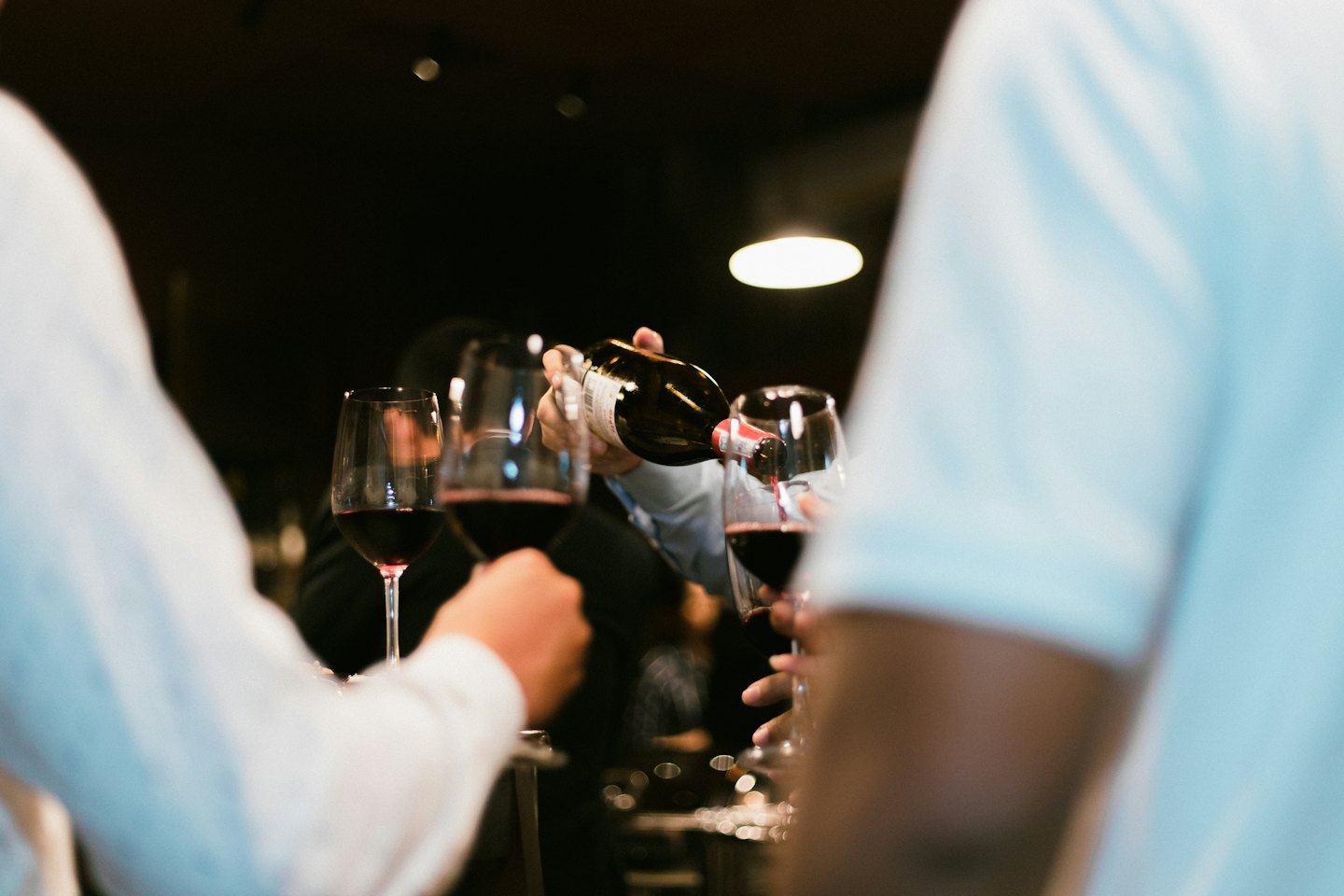
In addition to pairing food with the wine, I also like to pair a song to go with the wine. Sometimes the song is a play on words for the wine name, or it fits the mood while drinking the wine. The song for the above review (that did not fit in the main review) was Tom Petty – “Rockin’ Around with You”. I had flown this wine into Florida when visiting friends, so we would have something good to drink.
I worked with rock bands for years. http://mrhollywoodonline.com
When I started writing wine reviews, picking a song to go with the wine, seemed like a natural thing to do. Sometimes my readers & fellow reviewers will click in just to see what the song is.
Key Insights
Even though I’ve reviewed thousands of wines, each time I review a wine, I approach the wine like I haven’t seen it before. What’s the color, what notes am I getting on the nose, on the drink, on the finish? Is there any cooperage, aging info from the winery? Time on oak, Type of oak, % new, used or neutral oak. General impressions, alcohol content, food pairing suggestions, and a song to go with. Can it fit in the word limit? What has to spill over into the comments section? It is always a bit of a challenge.
I am currently one of the top 20 wine reviewers in the U.S.
Rome wasn’t built in a day, and neither was my ranking.
I got there one review at a time.